Wall Street in Your Pocket: Can AI Beat the Market?
By Kash · · 9 min read
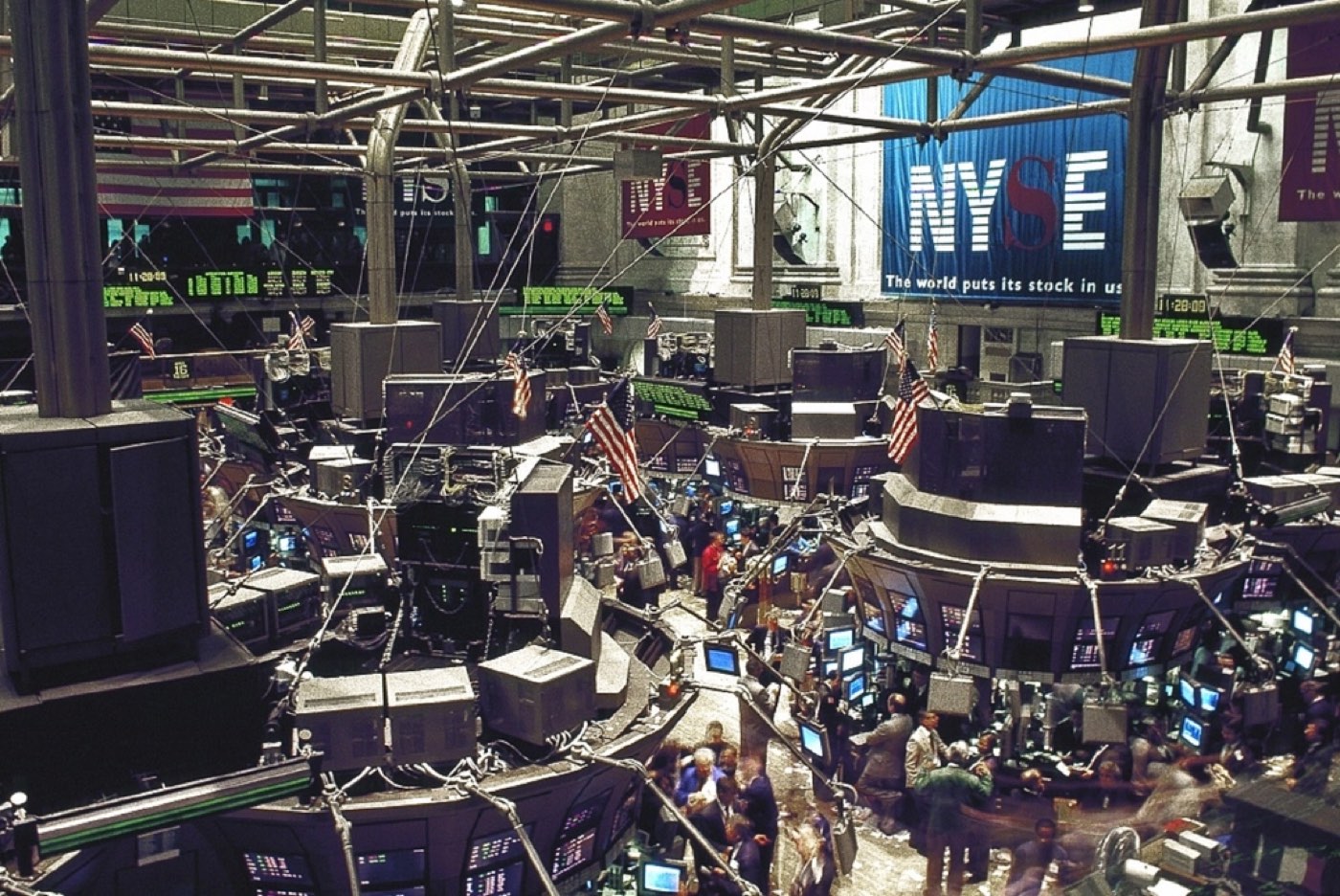
AI can speed up research and portfolio checks, but it cannot erase market risk. A practical 2026 guide to using AI investing tools without overpromising returns.
Educational content only, not investment advice. Capital is at risk. Past performance and model backtests do not guarantee future returns. UK investors should verify any platform on the FCA register before depositing funds.
Retail investing tools in 2026 are faster, sharper, and easier to use than ever. You can run screeners, parse earnings transcripts, and get risk summaries in seconds from your phone. The promise sounds simple: if institutions used machines to win, now retail can do the same.
Reality is more nuanced. AI can improve analysis speed and reduce manual work. It does not remove market uncertainty. Understanding exactly what AI does — and where it consistently falls short — is what separates informed use from expensive overconfidence.
What AI does well for investors
1) Research compression
AI can summarise quarterly filings, compare guidance changes quarter-over-quarter, and highlight inconsistencies between management commentary and reported numbers faster than any manual workflow. What used to take a weekend of reading can now take an hour — giving part-time investors a more complete picture before they act.
2) Portfolio hygiene
Modern tools can flag concentration risk (when one stock or sector represents too large a share of your holdings), overlapping exposures across ETFs, and drift from your target allocation after market moves. These are genuinely useful checks that most investors skip because they are tedious to do manually.
3) Process discipline
Rule-based alerts and screeners reduce impulsive decisions when volatility spikes. Setting parameters when you are calm — "alert me if this position falls 8% from entry" — creates better decisions than ones made in real-time when fear or excitement is running the show.
4) Earnings call analysis
Some AI tools can parse the language of earnings calls and flag sentiment shifts: when management language becomes more hedged, when a specific risk word appears more frequently, or when forward guidance is notably vaguer than prior quarters. This kind of linguistic pattern-matching previously required specialist analysts.
These are meaningful advantages, especially for part-time investors who cannot monitor markets all day.
Where "beat the market" gets hard
Markets adapt
Once a signal becomes widely known and traded, its edge typically shrinks. The momentum anomaly that generated excess returns in academic papers often compresses once hedge funds systematically exploit it. The democratisation of AI tools means many retail investors now run similar screens — which means similar crowding.
Model drift
AI strategies trained on one market regime can break when conditions change. A model trained during low-rate expansion behaves differently when inflation spikes, credit tightens, or correlations collapse. Backtests rarely include regime changes adequately — they tend to show the regime the model was trained on.
Crowded positioning
If many models chase similar signals, reversals can become sharper and faster than historical patterns suggest. The 2021–2022 meme-stock dynamics showed how crowded retail positioning can create rapid unwinds that bear no relationship to underlying fundamentals.
Friction still exists
Slippage, spreads, taxes, and platform fees can erase theoretical outperformance. A strategy showing 3% annualised alpha on paper may deliver 0% or negative real returns after costs. Always model total costs, not just headline returns.
Tools retail investors actually use in 2026
A realistic picture of what AI-powered retail tools look like today:
- Screeners with AI layers (Finviz, Seeking Alpha, Koyfin): scan thousands of stocks by fundamental or technical criteria; some add AI-generated summaries of news or analyst consensus
- Portfolio analytics (Morningstar, Sharesight, interactive investor in the UK): flag overlap, fee drag, and allocation drift across your holdings
- Sentiment tools: aggregate news, social media, and earnings call tone — useful as a secondary input, not a primary signal
- Algorithmic execution: some platforms allow rule-based rebalancing on a schedule or threshold trigger, removing emotional timing decisions
None of these tools are secret algorithms. The advantage is not the tool itself — it is how disciplined you are in defining your rules before markets move.
Practical framework for 2026
Many disciplined investors use a core + satellite approach:
- Core: diversified, low-cost long-term holdings (global index funds, bond funds appropriate to your time horizon)
- Satellite: a smaller active sleeve — typically 10–20% of the portfolio — where AI tools support idea generation, research, and risk controls
This structure limits damage when active signals fail while still allowing experimentation. The core does not require AI. The satellite uses AI to improve research process, not to replace judgment.
UK-specific considerations
UK investors using AI investing tools should note:
- ISA and SIPP wrappers matter more than any AI signal. Tax-sheltered compounding over decades outperforms most active strategies net of tax.
- Verify FCA authorisation. Before depositing anything, confirm the platform holds the relevant FCA permissions at register.fca.org.uk.
- Stamp duty on UK shares (0.5% on purchases) reduces the frequency at which active trading makes economic sense.
- Capital gains reporting for UK investors adds friction — frequent trading generates tax events that erode returns.
The MoneyHelper service (moneyhelper.org.uk) publishes plain-language guides on investing platforms and types of accounts available in the UK.
Questions to ask before using any AI investing stack
- What exact decision is AI making vs what I approve manually?
- How is risk capped — position size, maximum drawdown, stop logic?
- What are total costs after fees, spread, tax, and any subscription charge?
- What happens when the model is wrong three times in a row — is there a circuit breaker?
- Can I explain the strategy in plain English to someone who knows nothing about markets?
- What data does the AI train on, and how old is the training set?
If you cannot explain it simply, you probably cannot manage it under stress — which is precisely when stress-testing matters most.
Bottom line
AI can make you a better operator: faster research, cleaner process, fewer emotional errors. It does not guarantee alpha, and it does not remove the possibility of being wrong. The real edge in 2026 is often not a secret model — it is consistent risk management, realistic fee awareness, and a written investment plan you can follow when markets are ugly and the headlines are loud. AI helps you execute that plan. It cannot write it for you. For a grounding look at how the underlying data infrastructure powers these tools, our piece on how real-time financial data is changing investment decisions is a useful companion, and the honest comparison of robo-advisors versus human financial advisors helps frame which layer of service you actually need.
Sources
- Tax when you buy shares — GOV.UK