Skin Longevity: How AI and Biotech Are Replacing Anti-Aging
By Kash · · 9 min read
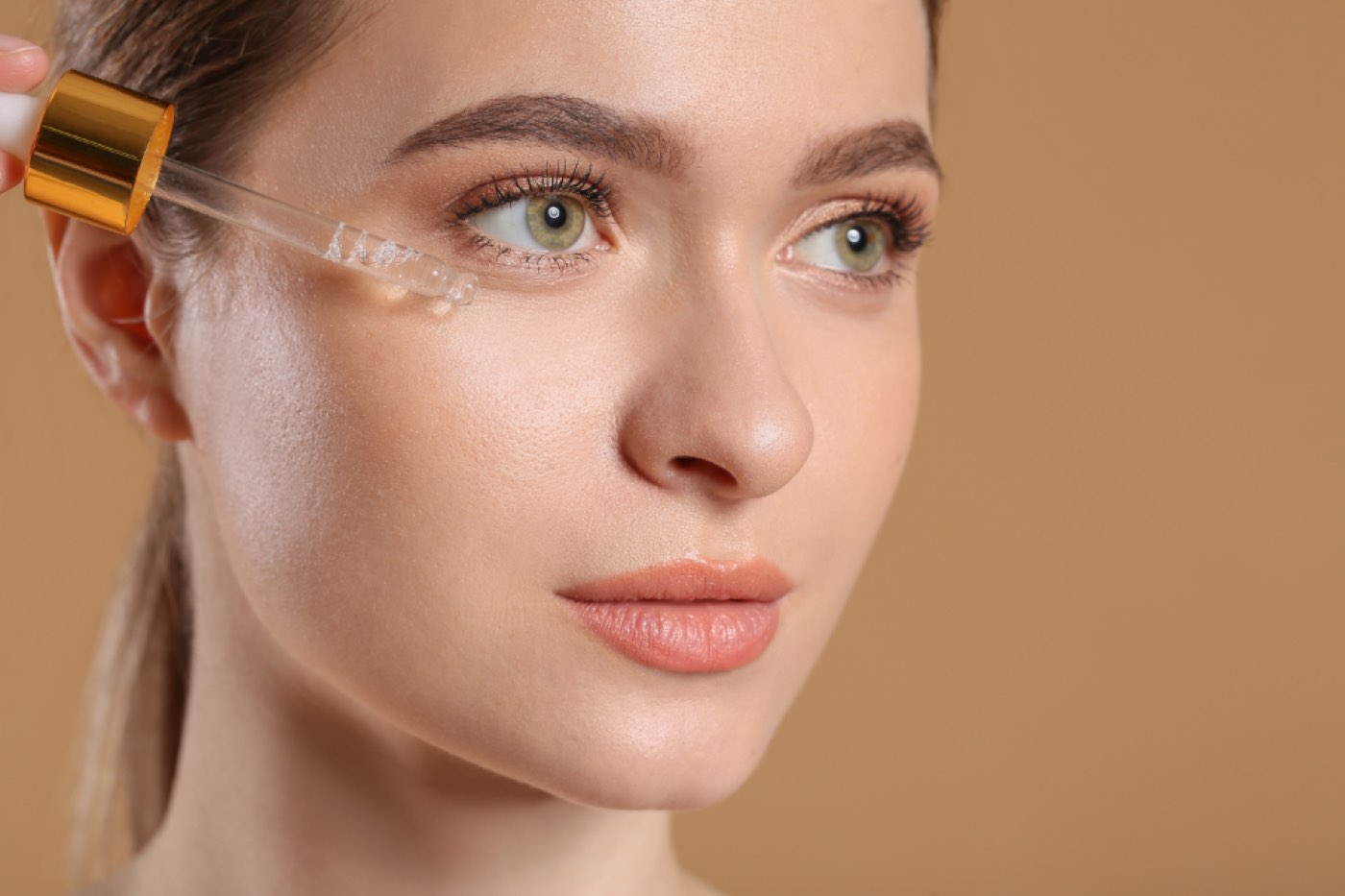
The beauty industry has retired 'anti-aging' in favour of skin longevity. AI diagnostics and biotech ingredients like senolytics and NAD+ boosters are redefining skincare as cellular health science.
This article is for general information only and does not constitute medical or dermatological advice. Consult a qualified dermatologist or healthcare professional before changing your skincare routine or using any new ingredients, particularly bioactive formulations.
What has actually changed?
The word "anti-aging" is disappearing from product labels, clinical literature, and brand language — and it is not just a marketing rebrand. The skincare industry is undergoing a genuine scientific shift, moving from surface-level correction toward cellular health and biological age management.
The global longevity economy is growing rapidly, with the skincare segment pivoting sharply toward "biological age reversal" rather than temporary visual correction. We are no longer simply trying to look younger. The goal is to ensure skin cells function at peak performance for as long as possible.
This shift is powered by two converging forces: AI skin diagnostics and skin longevity biotech.
From masking to measuring: the AI diagnostic revolution
At-home cellular analysis
Gone are the days when deep-tissue skin imaging required a visit to a high-end dermatology clinic. Smartphone cameras, powered by sophisticated AI, can now analyse the health of the dermis and underlying cellular structures without specialist equipment.
These AI diagnostics identify biomarkers of cellular ageing — including collagen density, oxidative stress accumulation, and elastin fibre integrity — often before a single visible wrinkle appears.
By tracking patterns in biological markers of skin ageing rather than just the chronological age of the person, these tools aim to provide a data-driven roadmap for regenerative skincare — identifying changes before they become visually apparent. Consumer-grade smartphone diagnostics have real limitations compared to clinical dermoscopy, but they can track relative trends in your own baseline over time.
What AI diagnostics actually measure
| Biomarker | What it indicates | Why it matters |
|---|---|---|
| Collagen density | Structural firmness of the dermis | Predicts volume loss and deep lines |
| Elastin fibre integrity | Skin's ability to spring back | Early indicator of sagging |
| Oxidative stress markers | Cumulative environmental damage | Linked to accelerated cellular ageing |
| Moisture barrier integrity | Skin's defence function | Predicts sensitivity and inflammation |
| Melanin distribution | Sun damage accumulation | Risk marker for long-term pigmentation |
The biotech ingredients reshaping skincare
The true expert edge in 2026 lies at the intersection of AI analysis and high-performance biotech ingredients. Two categories are leading this shift.
Senolytics: clearing zombie cells
Senolytic ingredients are designed to target and clear senescent cells — cells that have stopped dividing but remain in the skin, where they cause chronic inflammation and break down healthy surrounding tissue. These are sometimes called "zombie cells."
Early-stage research (largely in preclinical models) suggests that clearing senescent cells can reduce local inflammation markers and support healthier function in surrounding tissue. Human clinical evidence for topical senolytic skincare products is still developing — most current evidence comes from oral senolytic drug research rather than topical cosmetic formulations.
Senolytic actives are not traditional cosmetics — they claim to work at a cellular level, which is why independent dermatological verification of any product's specific claims matters before you commit to a routine.
NAD+ boosters: restoring cellular energy
Nicotinamide adenine dinucleotide (NAD+) is a coenzyme found in every living cell. It plays a central role in energy metabolism and DNA repair. NAD+ levels decline significantly with age, and this decline is associated with reduced skin repair capacity and slower cell turnover.
Topical and oral NAD+ precursors — such as NMN (nicotinamide mononucleotide) and NR (nicotinamide riboside) — have shown promise in supporting cellular repair mechanisms. As with senolytics, the evidence base is still developing; look for independent clinical evidence rather than brand-funded studies.
How AI acts as formulator
AI plays the role of master formulator in the skin longevity process. Rather than prescribing a one-size-fits-all cream, it analyses your specific cellular data to determine:
- Which biotech ingredients are relevant for your current skin biology
- When to introduce them based on your diagnostic trend data
- How to sequence layering to avoid ingredient interaction
- When to adjust as your skin's biological needs evolve
The result is a personalised skincare protocol that adapts over time — not a static product prescription.
Skin as a systemic health indicator
The implications of skin longevity science extend beyond aesthetics. Skin is the body's largest organ and a primary surface indicator of internal systemic health.
When AI tracks your skin's biological age, it creates a feedback loop for proactive wellness. For example:
- A sudden spike in cellular stress — often caused by UV exposure, pollution, or sleep disruption — can trigger an early intervention suggestion before visible damage accumulates
- Chronic inflammation markers in skin diagnostics can indicate systemic inflammation worth discussing with a GP
- Barrier function decline tracked over months can reflect nutritional gaps (particularly essential fatty acids and zinc)
Platform-reported data from AI skincare services suggests improvements in moisture retention and delay in visible structural changes among users following personalised protocols — but these figures come from company-reported outcomes, not independent clinical trials. Independent peer-reviewed evidence for consumer AI skin longevity tools is still developing, and results vary substantially between products and individual skin types.
Apply appropriate scepticism to any specific percentage claims from brands without peer-reviewed supporting data.
What to watch: the limits of skin longevity tech
This field is moving fast, and some claims outpace the evidence.
Smartphone diagnostics have real limits. Consumer camera-based skin analysis cannot replace clinical dermoscopy or biopsy. It is a useful trend-tracking tool, not a diagnostic instrument.
Ingredient efficacy varies widely. "Senolytic" on a label does not guarantee clinical-grade activity. Look for independent peer-reviewed evidence, published clinical concentrations, and dermatologist endorsement before investing.
Privacy matters. AI skin platforms require facial data and, in some cases, ongoing photo capture. Read data retention policies carefully before uploading biometric images to any platform.
Skin longevity is not the same as skin health. Optimising cellular metrics does not replace fundamentals: SPF daily, adequate sleep, hydration, and a nutrient-dense diet remain the highest-ROI interventions for skin health by a significant margin.
Practical steps toward a skin longevity approach
- Establish your biological baseline — use a clinically-backed AI diagnostic or a dermatologist consultation to understand your current collagen density, moisture barrier strength, and inflammation status
- Prioritise the fundamentals first — SPF 30+ daily, a gentle non-stripping cleanser, and a barrier-supportive moisturiser address the majority of skin ageing drivers
- Introduce biotech actives gradually — if exploring senolytics or NAD+ formulations, introduce one at a time over 6–8 weeks to accurately assess your skin's response
- Track, do not guess — re-test your skin diagnostics every 90 days to measure change rather than relying on subjective "glow" assessments
- Verify ingredient claims independently — sites like Examine.com and published Cochrane reviews provide evidence summaries that are not tied to product sales
The bottom line
The death of "anti-aging" marks the birth of a more rigorous, empowering approach to skin health. We are moving away from the unattainable goal of stopping time and toward the practical goal of optimising biological function.
As AI skin diagnostics become more accessible and skin longevity biotech matures, the power to maintain healthy, resilient skin is becoming genuinely data-driven. In 2026, beauty is increasingly defined not by the absence of wrinkles, but by the measurable vitality of cells beneath the surface.
The science is real. The commercial noise around it is considerable. The skill is learning to tell them apart. For the complete picture of how proactive health agents are combining skin data with wearable biometrics and bloodwork, our piece on the AI health agent and proactive wellness planning shows where the category is heading. And if you are exploring what biological age testing can tell you about skin and cellular health together, see our article on longevity science and biological age AI.
Sources
- The role of cellular senescence in skin aging and age-related skin pathologies (Frontiers in Physiology, 2023) — Frontiers in Physiology via PMC
Further Reading
- AI Diagnostics and Preventive Healthcare: How Artificial Intelligence Is Catching Disease Years Before Traditional Medicine Would
- Can an AI App Spot the Early Signs of Financial Burnout? What UK Adults Need to Know in 2026
- Financial Wellbeing Is a Health Issue: Why UK Employers Can No Longer Treat Money Stress as a Personal Problem
- The Debt-Mental Health Spiral: How AI Wellness Tools Are Helping UK Adults Break the Cycle