AI Cancer Detection UK: How the NHS Is Finding It Earlier
By Kash · · 8 min read
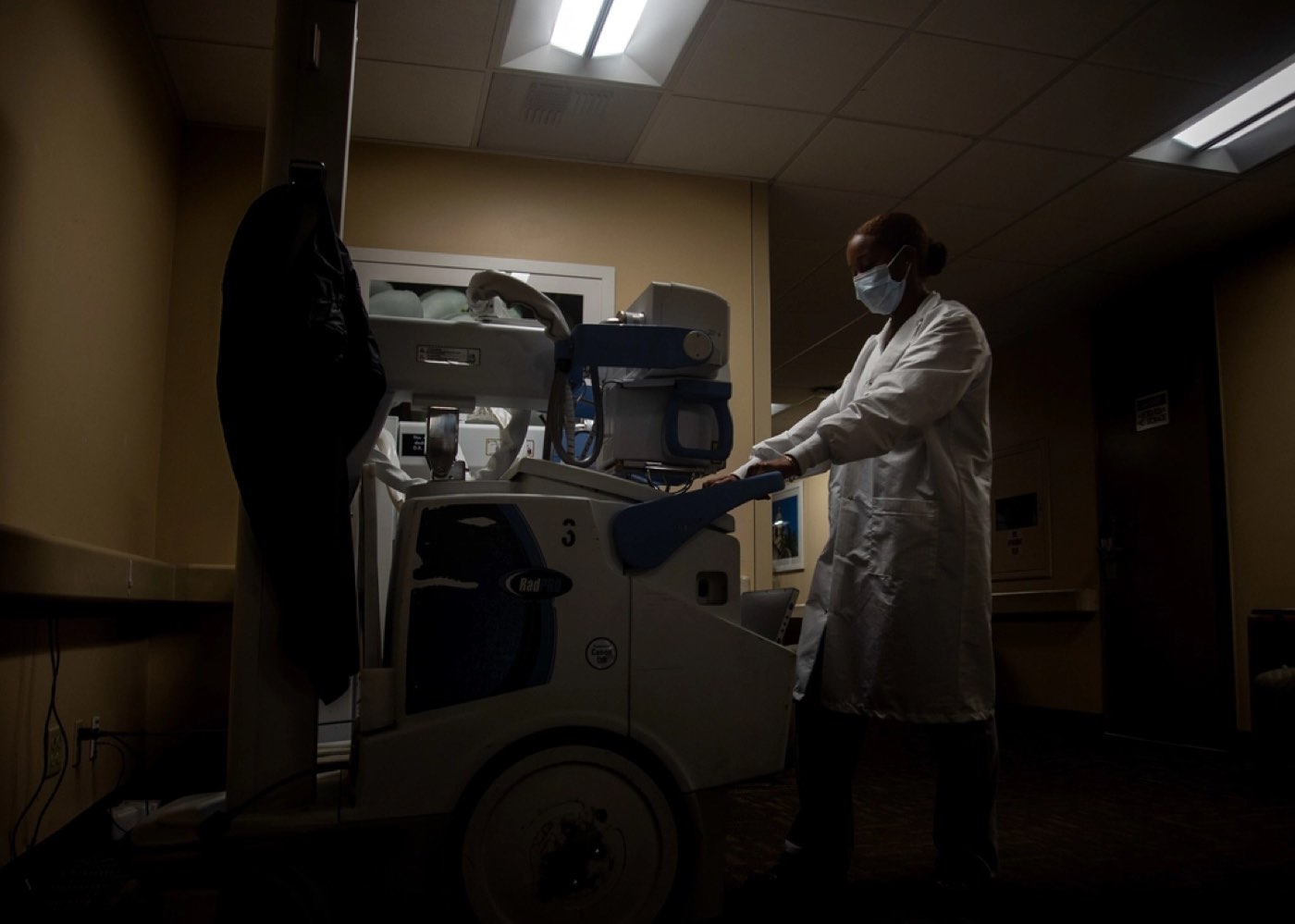
AI cancer detection is live across NHS breast, bowel, lung, skin, and prostate screening pathways — with NICE-backed tools, real trial evidence, and measurable improvements in early diagnosis rates.
This article is for general information only and does not constitute medical or clinical advice. Always consult a qualified healthcare professional before making any health-related decisions. If you are experiencing a mental health crisis, contact your GP or call Samaritans on 116 123 (free, 24/7). In a medical emergency, call 999.
- AI Cancer Detection UK: How NHS Doctors Are Finding Cancer Earlier — and Saving More Lives
- Early cancer diagnosis in England has reached its highest ever level. Between September 2023 and August 2024, 58.7% of common cancers were identified at an early stage — an improvement of 2.7 percentage points on pre-pandemic levels, corresponding to an estimated 7,000 additional patients diagnosed early enough to receive more effective treatment (NHS England, January 2025). Yet the NHS Long Term Plan's ambition is more demanding still: 75% of cancers diagnosed at an early stage by 2028, with 55,000 more people surviving cancer for five years or more each year.
- Closing that gap is where AI cancer detection UK technology is becoming one of the NHS's most powerful tools. From AI-assisted mammography that identifies tumours invisible to the human eye, to real-time colonoscopy analysis detecting polyps in the bowel, to lung nodule detection deployed across dozens of NHS trusts — artificial intelligence is not a future promise in UK cancer care. It is live, evidence-tested, and producing measurable results right now.
- This article examines the clinical evidence across four major cancer types — breast, bowel, lung, and skin — and what UK patients and clinicians need to know.
Why Early Detection Is the Most Powerful Tool in UK Cancer Care
- Before examining the technology, it is worth understanding precisely why early detection matters so profoundly in the UK context — because the survival gap between early and late diagnosis is one of the starkest in all of medicine.
- Lung cancer illustrates this most acutely. Lung cancer is the UK's biggest cancer killer, responsible for about 32,800 deaths per year and accounting for one in five of all cancer deaths (NHS England). Yet survival outcomes differ dramatically depending on when it is caught: six in ten patients survive more than five years if lung cancer is diagnosed at an early stage — but that figure collapses to just one in ten for those diagnosed at the latest stage (South Tyneside and Sunderland NHS Foundation Trust). The same principle applies across cancer types. For breast cancer, early diagnosis achieves over 90% five-year survival rates, while late-stage diagnoses carry far grimmer prognoses.
- The NHS sees approximately 403,600 new cancer cases every year — roughly 1,000 diagnoses per day (Cancer Research UK). Over 3 million people were seen for urgent cancer checks in the year to October 2024 — up by more than 700,000 on the same period five years ago (NHS England, January 2025). The diagnostic infrastructure is under sustained pressure, with radiologist and radiographer shortfalls across multiple specialities. AI cancer detection is therefore not simply a clinical improvement — it is a structural necessity for a system that cannot otherwise scale.
AI Breast Cancer Detection UK: The World's Largest Trial Gets Under Way
Breast cancer is the most common cancer in the UK, accounting for 55,000 new cases annually and costing the UK economy an estimated £2.4 to £2.6 billion in 2024 (Future Medicine, 2025). The NHS Breast Screening Programme invites women aged 50–70 for mammography every three years, but is operating under significant strain: approximately 12% of breast radiologist and radiographic posts are vacant nationally, creating backlogs that can delay diagnosis.
The NHS AI Breast Screening Trial: Five Competing Systems, 30 Sites
In April 2025, the NHS launched what is believed to be the world's largest AI-assisted breast cancer screening trial, testing five competing AI systems across 30 NHS screening sites. The initiative directly responds to evidence that AI can detect cancers that human readers miss, while also reducing the total number of radiologist readings required.
- The evidence supporting this approach is substantial. The landmark MASAI trial — the largest randomised controlled trial of AI in breast screening to date — tested Transpara AI (ScreenPoint Medical's deep learning software) against standard double-reading by two radiologists. The results were transformative: AI-assisted screening identified approximately 29% more cancers (6.4 per thousand versus 5 per thousand in the control group). Crucially, the AI group identified 46 more invasive cancers that were lymph-node-negative and 58 more that were smaller than 2 cm — exactly the tumour characteristics associated with the most treatable, highest-survival presentations. The AI-assisted approach also reduced the total radiologist reading burden by 44%, from 109,692 screen readings in the standard group to just 61,248 (Future Medicine / MASAI trial, 2024).
- A separate Nature Medicine study found that integrating AI into breast screening programmes can enhance detection of interval cancers — tumours that develop between routine screening rounds and carry a worse prognosis than screen-detected cancers — identifying 20 to 40% of cases that human readers might overlook. Four deep learning risk algorithms were independently validated using 112,621 negative mammograms from two UK NHS Breast Screening Programme sites with five-year follow-up, confirming AI's ability to predict future cancer risk from currently normal-appearing scans (npj Digital Medicine, March 2026).
Mia: AI Deployed at NHS Grampian
- Mia — an AI breast screening solution funded by the UK Government's AI in Health and Care Award — was piloted at NHS Grampian to identify subtle signs of breast cancer otherwise hard to spot with the human eye. The tool analyses mammograms alongside NHS clinicians to improve detection accuracy, particularly for dense breast tissue cases where standard imaging has known limitations. Oxford University Hospitals NHS Foundation Trust launched a separate AI study in October 2025, partnering with DeepLook Medical to generate real-world data on AI performance for patients with dense breasts — the group at highest risk of missed diagnosis in conventional mammography.
AI Bowel Cancer Detection: NICE-Backed Real-Time Colonoscopy Analysis
- Bowel cancer is the second most common cause of cancer death in the UK, affecting approximately 1 in 15 men and 1 in 18 women over their lifetime. The gold-standard detection method is colonoscopy — a camera procedure to identify and remove precancerous polyps called adenomas. However, colonoscopy does not detect all polyps, particularly flat or sessile lesions that are easily missed without AI assistance.
GI Genius and the COLO-DETECT Trial
The most rigorously evidenced AI bowel cancer detection tool in NHS use is GI Genius (Medtronic), an AI module that integrates with existing colonoscopy equipment and analyses the live camera feed in real time, placing a green box on screen around any area it suspects may contain a polyp.
- The COLO-DETECT trial — published in The Lancet Gastroenterology & Hepatology in August 2024 — provides the most definitive UK evidence for AI-assisted colonoscopy. The randomised controlled trial involved 2,032 patients from 12 NHS hospitals (ten NHS Trusts) across England. Results were unambiguous: GI Genius identified at least one adenoma in an extra 8 out of every 100 patients having a colonoscopy. The AI found an extra 0.36 adenomas per colonoscopy compared with standard practice, with particularly improved detection of sessile serrated adenomas — the polyp subtype most associated with aggressive, difficult-to-treat cancer. Critically, the technology added an average of just 90 seconds to each procedure and introduced no increased risk of complications (Newcastle Hospitals NHS Foundation Trust, August 2024).
- In November 2025, NICE backed five AI colonoscopy tools — including GI Genius, CAD EYE, and MAGENTIQ-COLO — for use across the NHS in England during a four-year evidence-generation period, under draft guidance (Medscape, November 2025). Three of these tools also offer computer-aided diagnosis functionality for polyp characterisation, helping clinicians decide which polyps require removal. This NICE recommendation represents a pivotal step: it signals that AI bowel cancer detection is no longer experimental — it is entering routine NHS commissioning.
AI Lung Cancer Detection: From NHS Diagnostic Fund to Life-Saving Identification
- Lung cancer's brutal survival differential — from 60% five-year survival when caught early to just 10% at the latest stage — makes it the cancer where AI's early detection potential is most clinically urgent.
The NHS AI Diagnostic Fund and National Roll-Out
- NHS England's AI Diagnostic Fund (AIDF) allocated £21 million to 12 imaging networks, covering 65 NHS trusts across England, to deploy AI tools for lung nodule detection across CT scan workflows. The North East and North Cumbria led the national roll-out — a region with some of the starkest health inequalities in England and disproportionately high lung cancer incidence — supported by the Northern Cancer Alliance (South Tyneside and Sunderland NHS Foundation Trust).
- The AI lung cancer detection systems deployed across these trusts analyse CT scan images to automatically identify lung nodules — small abnormal tissue growths that may represent early-stage lung cancer — flagging high-risk findings for priority radiologist review. This triage function is transformative for a service where radiologist time is finite: by ensuring the most suspicious scans receive immediate attention, AI directly reduces the time from suspicious finding to definitive diagnosis.
Targeted Lung Health Checks and AI Integration
- Since its launch in 2019, the NHS Targeted Lung Health Check (TLHC) programme has diagnosed more than 5,000 people with lung cancer at an earlier stage, using mobile scanning units deployed to communities with high-risk populations — shopping centres, sports stadiums, food banks, and supermarket car parks. As AI nodule detection tools are integrated into TLHC workflows, early detection rates are expected to improve further, with AI providing automatic nodule measurement and risk stratification to support radiographers in mobile screening settings where specialist radiologist oversight is limited.
AI Skin Cancer Detection: DERM and the Dermatology Backlog
The NHS faces a severe dermatology backlog, with millions of patients awaiting skin lesion assessment and a shortage of consultant dermatologists to review suspected skin cancer referrals. AI skin cancer detection tools are addressing this pressure by triaging low-risk cases away from face-to-face appointments.
Skin Analytics DERM: Class IIa Medical Device in NHS Pathways
- Skin Analytics' DERM is a CE-marked, UKCA-marked Class IIa medical device that analyses smartphone images of skin lesions to triage suspected skin cancer — particularly melanoma and squamous cell carcinoma. Deployed across NHS dermatology pathways, DERM uses AI image analysis to classify lesions by risk level, allowing low-risk cases to be managed remotely while ensuring high-risk lesions receive urgent face-to-face assessment.
- DERM has been assessed by NHS England's AI and Digital Regulations Service (AIDRS) — the "one-stop shop" for developers and NHS adopters navigating the regulatory landscape — and is one of the tools referenced in NHS-approved AI implementation pathways for dermatology (Iatrox Clinical AI Insights, September 2025). Real-world deployment data from NHS trusts using DERM has demonstrated significant reductions in time from GP referral to specialist review for high-risk lesions, with low-risk cases discharged without a face-to-face appointment — freeing clinic capacity for patients who need it most.
AI Prostate Cancer Detection: From 23-Day Waits to Same-Day Diagnosis
- Prostate cancer is the most common cancer among men in the UK, representing 28% of new male cancer diagnoses and with incidence rising 10% over the past decade (Cancer Research UK / NICE). Unlike breast and bowel cancer, there is currently no national screening programme — meaning diagnosis relies on symptomatic presentation and GP-initiated investigation.
- In July 2025, NHS England announced a two-year trial of Quibim's QP-Prostate AI software at seven NHS hospitals. The tool assists radiologists by automatically identifying suspicious areas within prostate MRI scans. Early clinical data suggests it can contribute to detecting an additional 10.6% of early-stage prostate cancers — directly supporting the NHS Long Term Plan's 75% early diagnosis target (Digital Health, July 2025).
- Separately, Leeds Teaching Hospitals NHS Trust trialled Lucida Medical's Pi AI software, which interprets prostate MRI scans in minutes and flags high-risk scans for immediate radiologist review. The technology can detect 95% of prostate cancers, with patients potentially receiving same-day biopsies — compressing a process that previously took weeks into a single visit (Yahoo Finance / Digital Health). The trial is set to expand to up to 15 hospitals across England, analysing 10,000 MRI scans from early 2026.
What This Means for UK Patients: The Actionable Case for Screening Participation
The overarching message of all this evidence is straightforward and actionable: attending your NHS screening appointments saves lives, and AI is making those appointments more effective than ever before.
Specific steps every UK patient should take:
Respond to all NHS screening invitations. Bowel cancer screening kits (sent by post to adults aged 50–74), breast screening appointments (women aged 50–70), and cervical screening invitations should never be ignored. AI-assisted colonoscopy is now backed by NICE; AI-assisted mammography is being rolled out nationally.
-
Use the NHS Targeted Lung Health Check if invited. Adults in high-risk areas aged 55–74 who smoke or have smoked may be invited to a lung health check — attend it. More than 5,000 early-stage lung cancers have been caught through this programme. Act on new or unusual skin changes promptly. Lesions that are asymmetric, have irregular borders, varied colour, a diameter greater than 6mm, or are evolving should be assessed by a GP. NHS dermatology pathways using AI triage tools are prioritising high-risk referrals for rapid review.
-
Conclusion: AI Cancer Detection UK Is Already Saving Lives — But Screening Participation Is Essential
-
The evidence is definitive. AI cancer detection UK technology — from NICE-backed GI Genius colonoscopy modules and Transpara breast mammography AI to NHS Diagnostic Fund lung nodule detection and Skin Analytics DERM — is already embedded in NHS clinical pathways, producing measurable improvements in detection rates, tumour stage at diagnosis, and the efficiency of the radiologist workforce.
-
Early cancer diagnosis in England stands at its highest recorded level — but the NHS Long Term Plan target of 75% early diagnosis by 2028 requires both continued AI deployment and, critically, increased patient participation in screening programmes. The technology cannot help those who do not attend.
-
If you are due for a bowel screening kit, breast mammogram, cervical smear, or lung health check — do not delay. Your NHS screening invitation could be the most important letter you receive this year. To find out which screening programmes you are eligible for, visit NHS.uk.
Related Reading
- AI NHS UK Healthcare Transformation: The £10bn Plan Explained
- Predictive AI NHS Patient Data UK
- Best AI Health Apps UK 2025
- AI Diagnostics and Preventive Healthcare 2026
Frequently Asked Questions
Is AI being used to detect cancer in the UK NHS?
Yes, and at significant scale. AI tools are live across multiple NHS cancer screening pathways. GI Genius AI colonoscopy modules are used across NHS trusts in England and have received draft NICE backing for routine use. AI mammography tools are being tested in the world's largest breast screening trial, launched in April 2025 across 30 NHS sites. Lung cancer AI nodule detection tools are deployed across 65 NHS trusts. Prostate and skin cancer AI tools are in active NHS trials.
How accurate is AI at detecting cancer compared with doctors?
Accuracy depends on the cancer type and tool. The MASAI trial found AI-assisted mammography detected 29% more breast cancers than standard radiologist-only reading. GI Genius AI colonoscopy detected adenomas in an extra 8 out of every 100 patients compared with standard colonoscopy in the UK COLO-DETECT trial. Lucida Medical's prostate cancer AI is reported to detect 95% of prostate cancers on MRI scan. In all cases, AI works alongside clinicians — flagging suspicious findings for human expert review — rather than replacing clinical judgement.
Does AI cancer detection mean I will be diagnosed faster?
AI tools accelerate specific parts of the diagnostic pathway — image analysis, triage, and risk stratification — rather than the entire process. For lung cancer, AI nodule detection flags high-risk scans for immediate radiologist review, reducing delays. For prostate cancer, Lucida's AI can compress a multi-week diagnostic process into same-day assessment. For bowel cancer, GI Genius adds just 90 seconds to a standard colonoscopy. However, subsequent stages — biopsy, MDT discussion, treatment planning — still follow standard NHS pathways.
Are NHS AI cancer detection tools safe and regulated?
Yes. AI cancer detection tools used in the NHS must meet UK regulatory requirements. Tools classified as Software as a Medical Device (SaMD) must carry UKCA or CE marking under MHRA regulations. GI Genius and Skin Analytics DERM are both UKCA-marked Class IIa medical devices. NHS procurement of AI tools also requires Digital Technology Assessment Criteria (DTAC) compliance. NICE provides evidence-based recommendations on which tools meet the required evidence threshold for NHS commissioning.
How can I access NHS cancer screening in the UK?
You will receive an invitation by post when you become eligible for NHS screening programmes. These currently cover bowel cancer (adults 50–74, home test kit), breast cancer (women 50–70, mammogram every three years), and cervical cancer (women 25–64, smear test). Lung health checks are available in targeted areas for adults 55–74 at elevated risk. If you believe you are overdue for screening or have not received an invitation, contact your GP practice or visit NHS.uk for guidance.
Sources
- Cancer statistics for the UK — Cancer Research UK
- Lung cancer statistics — Cancer Research UK
- World-leading AI trial to tackle breast cancer launched — GOV.UK (Department of Health and Social Care)
- Artificial intelligence tech set to stay as it proves its worth in the fight against bowel cancer — Newcastle Hospitals NHS Foundation Trust
- NICE backs five AI tools for bowel cancer screening — pharmaphorum